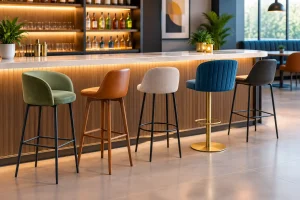
A chair choice becomes very visible once service starts. It affects how guests read the room, how quickly staff can reset tables, how much maintenance a venue absorbs, and whether the interior still looks intentional after a busy season. When comparing metal vs wood chairs, hospitality buyers are not choosing a universal winner. They are selecting the right construction, finish, and visual language for a specific commercial environment.
For cafés, restaurants, hotels, and mixed-use hospitality spaces, the better material depends on traffic level, seating duration, layout flexibility, cleaning routines, climate, and brand position. A well-specified metal chair can outlast demanding daily use. A well-built wood chair can bring warmth and perceived value that metal alone may not deliver. The strongest projects often use both with purpose.
Metal vs Wood Chairs: Start With the Operating Reality
A chair that looks correct in a showroom can fail in a commercial setting if its construction does not match the operation. Before selecting a silhouette or upholstery, consider how the space works from opening to closing.
High-turnover coffee shops, quick-service restaurants, food halls, and busy hotel breakfast areas put constant stress on chairs. Furniture is dragged, stacked, wiped down repeatedly, and occasionally moved outdoors for events or cleaning. In these settings, metal frames are often the practical starting point because they offer reliable structural performance with relatively slim profiles.
Wood chairs suit environments where atmosphere, comfort, and material character carry more weight. A neighborhood restaurant with long dinners, a boutique hotel lounge, or a refined all-day dining concept may benefit from the warmth of timber. Wood softens acoustics visually and gives a room a more established, crafted feel. It can also support a higher perceived price point when paired with quality upholstery, distinctive joinery, or a carefully matched table program.
The decision is not simply industrial versus classic. Contemporary metal chairs can feel refined and architectural, while wood seating can be clean-lined and modern. The specification should follow the concept and the expected wear, not an assumption about style.
Where Metal Chairs Perform Best
Metal chairs are valued in commercial interiors for their strength-to-weight ratio, consistency, and flexibility in finish. Steel or aluminum frames can support slim, contemporary forms that do not overwhelm compact floor plans. This matters in urban cafés and restaurants where every seat must contribute to capacity without making circulation feel restricted.
Powder-coated metal offers a broad range of colors and can be selected to coordinate with brand colors, wall finishes, or outdoor elements. Black, warm gray, sand, bronze, and custom tones all allow a project to create contrast or visual continuity. For hospitality operators managing multiple locations, repeatable frame finishes are especially useful for maintaining a recognizable identity across sites.
Metal is also a sensible choice where frequent cleaning is part of the operation. A properly finished frame handles regular wiping better than many natural surfaces, and it does not require the same level of finish care as wood. In outdoor or semi-outdoor applications, however, the material and coating system must be specified carefully. Not every metal chair is suitable for coastal air, persistent moisture, or direct sun. Steel needs suitable protection, while aluminum may be preferable where corrosion resistance and lighter weight are priorities.
The trade-off is comfort and acoustics. An all-metal chair can feel cold in a dining room designed for extended stays, especially if the seat and back lack shaping. It may also create noise when moved across hard flooring. Felt glides, shaped seat shells, upholstered pads, or timber seat inserts can solve much of this without losing the frame’s practical advantage.
Metal chair specifications worth reviewing
For commercial procurement, ask beyond the overall appearance. Frame tube thickness, welding quality, load performance, stacking requirements, floor glides, finish durability, and replacement-part availability all influence the real lifecycle cost. A low-priced chair that requires early refinishing or frequent replacement is rarely the economical choice for a high-traffic venue.
Where Wood Chairs Create More Value
Wood seating has an immediate advantage in spaces that need warmth, texture, and a sense of permanence. Natural grain and stained finishes add variation that makes a restaurant or hotel feel less standardized. This can be especially valuable for concepts built around local food, craft, residential comfort, or premium service.
The best commercial wood chairs are not selected for appearance alone. Their strength depends on timber selection, moisture control, joinery, reinforcement, and finish quality. A properly engineered beech, oak, ash, or similar hardwood chair can perform very well in restaurants and cafés. Weak joints, insufficient corner blocking, or poor finishing are what turn an attractive chair into a maintenance issue.
Wood also provides a warmer tactile experience. Guests notice it when they touch an armrest, pull out a chair, or sit down for a long meal. Upholstered wood chairs and armchairs can further improve comfort in lounges, hotel restaurants, and premium dining spaces where dwell time is part of the business model.
Its trade-off is maintenance sensitivity. Scratches, dents, and moisture exposure can be more noticeable on wood, depending on the stain and lacquer. Dark finishes may show wear at edges, while very light finishes can reveal marks from repeated contact. This does not make wood unsuitable for high traffic. It means the finish, color, and maintenance plan should be aligned with how the venue operates.
Choose finish with service in mind
A restaurant chair does not need to look untouched forever. It needs to age in a controlled, credible way. Mid-tone wood stains often hide minor marks better than very dark or very pale finishes. Open-grain textures and matte finishes can make everyday wear less conspicuous, while highly polished surfaces may demand more frequent attention.
For projects with intensive use, specifying replaceable seat pads or easily serviceable upholstery can preserve the frame and extend the useful life of the seating program. This is particularly relevant for operators planning phased renovations rather than full replacement cycles.
A Hybrid Approach Can Be the Strongest Choice
Many successful hospitality projects do not treat metal and wood as opposing camps. They use each material where it has the most value. A steel frame with a solid wood seat and back combines structural discipline with visual warmth. A wood dining chair can be paired with metal bar stools for a sharper counter area. Outdoor metal seating can complement timber-focused indoor dining without making the concept feel disconnected.
This approach also helps define zones. Metal chairs may support faster, more casual seating near a coffee bar or communal table, while upholstered wood armchairs create a quieter experience in lounge or private dining areas. The result is a space with more rhythm, without relying on unrelated furniture styles.
For architects and designers, mixed-material specifications create opportunities to repeat a color, timber tone, or upholstery across several product categories. The key is controlled variation. Keep a common finish language, seat height logic, and level of visual weight so the collection reads as one project rather than a series of separate purchases.
Compare Total Cost, Not Only Unit Price
The right chair is a commercial asset. Its price should be evaluated against expected years of use, maintenance labor, replacement risk, freight efficiency, and the effect it has on guest experience. A stackable metal chair may reduce storage and reset time. A more comfortable wood chair may encourage longer stays and improve the perceived quality of a dining concept. Neither calculation is purely aesthetic.
For export and multi-location projects, supplier control matters as much as material. Consistent dimensions, approved finish samples, packaging suited to long-distance transport, clear production lead times, and responsive communication reduce risk during installation. Custom manufacturing is especially useful when a standard collection needs a different stain, frame color, seat material, or dimensional adjustment to fit a project plan.
At Rezze Design, the practical advantage of in-house production is the ability to coordinate these details before bulk manufacturing begins. A sample or approved finish reference can prevent costly inconsistencies when chairs arrive alongside tables, bar seating, and other contract furniture elements.
Make the Choice Around the Guest Experience
Choose metal when the project needs slim profiles, frequent movement, easy cleaning, strong finish consistency, or outdoor-ready options. Choose wood when warmth, tactile quality, acoustic softness, and a more residential or premium dining feel are central to the concept. Combine them when the space needs both operational discipline and material richness.
The final selection should earn its place after thousands of seatings, not only in the first project presentation. Specify the chair that supports your staff, fits your service model, and gives guests a reason to feel comfortable staying a little longer.