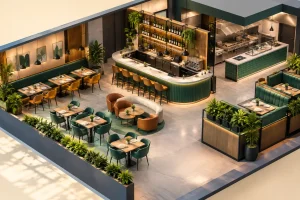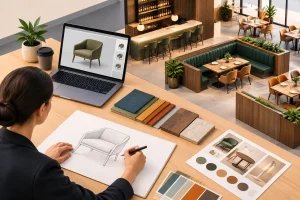


A restaurant patio is no longer an overflow area with a few spare tables. It is a visible part of the guest experience, a revenue-producing zone, and often the first impression from the street. The strongest restaurant outdoor seating trends reflect that shift: operators are investing in spaces that feel intentional, comfortable, durable, and consistent with the interior concept.
For restaurant owners, architects, and hospitality buyers, the goal is not to chase every new look. It is to select furniture and layouts that support service flow, withstand commercial use, and create a reason for guests to stay longer. The right outdoor setting can increase usable covers, strengthen brand identity, and improve day-to-night performance.
Restaurant Outdoor Seating Trends Moving Beyond Basic Patios
The most successful outdoor projects now treat exterior seating as a defined hospitality environment. This means coordinated chairs, tables, lounge pieces, planters, lighting, and shade structures rather than disconnected products chosen one at a time. Guests notice when the patio has the same level of design control as the dining room.
Contemporary forms remain in demand, but the look is becoming warmer and more grounded. Clean metal frames, textured finishes, natural-inspired colors, woven details, and upholstered outdoor elements are replacing the purely functional café terrace approach. A restaurant may still need stackable chairs and compact tables, but those practical requirements no longer need to result in a generic appearance.
This is especially relevant for properties where the terrace is visible from the sidewalk. Outdoor furniture becomes part of the restaurant’s visual merchandising. It should communicate the same price point and character as the menu, service style, and interior architecture.
Comfort Is Becoming a Commercial Requirement
A chair that looks good from a distance but feels uncomfortable after 30 minutes limits the value of an outdoor dining area. Comfort is one of the clearest trends because operators are designing for longer lunches, evening dining, coffee service, and social occasions that extend beyond a quick table turn.
Seat width, back support, arm placement, and appropriate seat height all influence how guests use a space. Armchairs and lounge-style pieces can add value in waiting areas, cocktail zones, and premium terrace sections. Side chairs may be the better choice for dense dining layouts where every inch matters. The correct mix depends on the restaurant’s service model, not simply on the preferred visual style.
Tables deserve the same attention. Small round tables work well for cafés and intimate dining, while rectangular formats can support flexible group arrangements. Stable bases are essential on exterior surfaces, where uneven paving can turn a beautiful tabletop into an operational problem. Commercial buyers should assess table height, base footprint, edge details, and chair clearance as one system.
Flexible Layouts Create More Useful Square Footage
Outdoor areas have to work harder than indoor rooms. A patio may need to serve breakfast traffic, business lunches, private events, aperitivo hours, and weekend crowds within the same week. Flexible furniture is therefore a major specification priority.
Stackable or easily movable chairs help teams reset quickly, but mobility should not come at the expense of stability or design quality. Modular sofas, two-top tables that combine into larger settings, and lightweight but substantial dining chairs give operators more control over capacity. In high-volume venues, this flexibility can reduce labor during transitions and make special-event setups more practical.
Architects should plan circulation early. Tables placed too tightly may maximize the drawing but create poor service access once bags, high chairs, heaters, and occupied seats enter the space. A well-planned terrace gives guests privacy while allowing staff to move efficiently. It also preserves clear routes for accessibility and emergency access, according to local requirements.
Materials Must Match the Climate and the Concept
Material selection remains one of the most consequential decisions in restaurant outdoor seating. The best option depends on climate, exposure, maintenance capacity, location, and desired positioning. There is no single material that performs equally well in coastal humidity, intense sun, freezing temperatures, and crowded urban sidewalks.
Powder-coated metal is a strong choice for many commercial projects because it can deliver refined profiles, a broad color range, and dependable everyday performance when properly specified. Aluminum is valued where lighter weight and resistance to corrosion are priorities. Steel can provide a more substantial visual presence, but it requires the right finish and maintenance plan for the environment.
Outdoor-grade rope, technical fabric, and performance upholstery can add softness and visual depth, especially in hospitality concepts that blur the line between restaurant dining and lounge service. These materials should be selected with cleaning routines in mind. Light colors may look elevated, but a busy dining patio with limited maintenance staff may benefit from mid-tone fabrics and forgiving textures.
Wood-look elements and natural finishes can create warmth, yet they need careful evaluation. Some projects benefit from the authenticity of wood, while others are better served by engineered or metal alternatives that offer a similar visual effect with less seasonal upkeep. The right choice is the one that protects the design standard after hundreds of services, not just on opening day.
Defined Zones Make Patios Feel More Valuable
One large field of identical tables can be efficient, but it rarely creates the strongest guest experience. Current projects increasingly use zoning to establish different levels of energy and comfort within the same outdoor footprint.
A street-facing coffee zone may use compact tables and durable side chairs. A more protected dining zone can introduce armchairs, larger tables, and softer finishes. Near the bar, elevated seating may support quick drinks and informal gathering. Lounge seating can turn an underused corner into a profitable pre-dinner or late-evening area.
These zones should still feel connected. Repeating frame colors, upholstery tones, or table finishes helps the terrace read as one designed environment. For larger projects, a coordinated furniture family simplifies procurement and creates a more disciplined visual result than sourcing every category separately.
Color and Texture Are Replacing All-Neutral Exteriors
Neutral outdoor furniture is still commercially safe, particularly for operators seeking long-term flexibility. However, the all-gray patio is giving way to more considered color. Deep green, terracotta, sand, warm brown, muted blue, and charcoal are appearing in frames, fabrics, and accessories because they photograph well, sit comfortably beside planting, and give a project stronger recognition.
Texture is equally influential. Perforated metal, woven backs, slatted details, and tactile outdoor textiles create interest without requiring excessive decoration. For branded hospitality spaces, custom colors or fabric selections can make the furniture feel proprietary to the project.
Customization should be managed with practical discipline. Bespoke dimensions, finishes, or upholstery can make a significant difference in a distinctive venue, but they also affect production planning, minimum quantities, lead times, and replacement strategy. A reliable supplier should help project teams identify where customization has real commercial value and where a standard product is the smarter choice.
Specify for Service, Storage, and Long-Term Replacement
A successful outdoor furniture specification considers what happens after installation. Can staff clean beneath the tables easily? Are chairs manageable during closing? Is there storage for cushions or loose furniture during severe weather? Can the operator reorder matching items if the patio expands or individual pieces are damaged?
These questions matter because hospitality furniture is an operating asset. It is handled daily, moved frequently, exposed to spills, and judged continuously by guests. Factory-direct production and project support can give buyers more control over finish selections, quantities, packing requirements, and future continuity. Rezze Design works with hospitality projects from product selection through custom manufacturing, helping teams align visual direction with commercial use.
For distributors and contract buyers, sample review is particularly valuable. A sample allows the team to assess comfort, construction, finish quality, stacking behavior, and compatibility with the broader collection before finalizing a larger order. It is a small step that can prevent costly corrections across an entire terrace.
The strongest outdoor space is not the one with the most furniture or the most dramatic styling. It is the one where every chair, table, and finish supports the restaurant’s service, identity, and expected level of care. Specify with that standard, and the patio will keep working long after the opening photographs are taken.