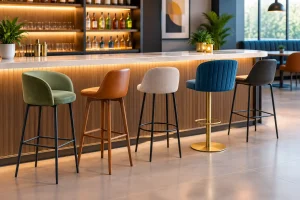
A restaurant terrace can look perfect at opening and feel like a costly mistake after its first hard rain. Are outdoor chairs waterproof? Some are, but many products marketed for outdoor use are only water-resistant. For hospitality projects, that difference affects cleaning routines, replacement cycles, guest comfort, and the long-term appearance of the space.
The better question is not whether a chair can get wet once. It is whether every part of the chair – frame, finish, seat construction, fabric, foam, fasteners, and feet – can repeatedly handle rain, humidity, sun, spills, and frequent commercial use without losing structural or visual quality.
Are Outdoor Chairs Waterproof or Water-Resistant?
A truly waterproof outdoor chair does not absorb water into its core materials and does not allow moisture to compromise its structure. Non-porous materials such as properly molded polypropylene, aluminum, and certain synthetic surfaces can perform very well in direct rain. Even then, water may sit in joints, seams, or hollow sections unless the design includes drainage and sealed construction.
Water-resistant furniture can tolerate occasional moisture, but it may eventually absorb water, stain, corrode, swell, or deteriorate if left exposed. This category includes many coated metal chairs, timber chairs, upholstered outdoor seating, and woven designs. Water resistance is not a poor specification. It simply requires the right application and a maintenance plan.
For a covered café sidewalk, a water-resistant chair may be the most suitable choice, especially when design warmth and comfort are priorities. For an uncovered pool deck, beach club, or rooftop with seasonal storms, more fully waterproof materials and quick-drying construction are usually the safer investment.
Material Determines Real Outdoor Performance
The material name alone does not tell the whole story. Manufacturing quality, finish thickness, welding detail, drainage, and the local climate all influence performance. Still, the main material categories offer clear advantages for commercial buyers.
Aluminum and powder-coated metal
Aluminum is a strong choice for open-air hospitality settings because it does not rust in the same way as untreated steel. It is lightweight enough for staff to move, stack, and reset layouts, while remaining suitable for high-traffic use when the frame and welds are engineered correctly. A high-quality powder-coated finish adds color consistency and surface protection.
However, aluminum is not maintenance-free. Chips or deep scratches can expose the substrate and weaken the coating around the damaged area. In coastal projects, salt deposits should be washed away regularly. Steel outdoor chairs can also be successful, but they need serious corrosion protection, careful finishing, and prompt attention to damaged paintwork. For commercial terraces, the quality of the coating process matters as much as the frame material.
Polypropylene and other molded polymers
Molded polypropylene chairs are among the most practical options for fully exposed areas. They do not absorb rainwater, are easy to clean, and can be produced in contemporary shapes suitable for cafés, casual dining venues, and large-scale outdoor installations. UV stabilization is essential, particularly in regions with strong sun, because low-grade plastic can fade, become brittle, or lose its original finish over time.
For operators, the value is operational as well as visual. A chair that can be wiped dry quickly and returned to service supports faster turnover after rain. For distributors and project buyers, stackability, weight, and carton efficiency should also be considered alongside the chair’s design.
Synthetic wicker and woven seating
Outdoor wicker is often made from synthetic fibers woven over an aluminum frame. When specified well, it offers the relaxed, textured look many resort and terrace projects require, while resisting moisture far better than natural rattan. The frame should be corrosion-resistant, and the weave should be UV-stable, tightly finished, and easy to clean.
The trade-off is that woven furniture has more surface detail. Dust, food debris, sunscreen, and moisture can collect between strands, so it needs a realistic cleaning routine. It may be ideal for lounge zones and premium dining terraces, but less efficient for a fast-paced venue that moves furniture several times a day.
Wood and wood-look finishes
Wood brings warmth that few other materials can match, making it attractive for design-led restaurants and boutique hospitality projects. But wood is rarely waterproof. Even hardwoods designed for exterior use can expand and contract with changing moisture levels. Without correct sealing, oiling, drainage, and seasonal care, the surface may fade, crack, or become rough.
A wood chair can be an excellent outdoor choice under a canopy or in a managed terrace environment. It is less suitable for a fully exposed location where furniture stays outside through heavy rain and snow. When a project needs a timber visual with lower maintenance, wood-look metal or outdoor-grade polymer alternatives may provide a more reliable commercial result.
Cushions Are Usually the Weak Point
A waterproof frame does not make an upholstered outdoor chair waterproof. Cushions need to be specified as a complete system: outdoor fabric, water-repellent or solution-dyed cover, quick-dry foam, breathable mesh, and adequate drainage. If water enters the cushion but cannot escape, mold, odor, and premature foam breakdown can follow.
For exposed dining areas, removable cushions are often the practical option. They allow staff to store them during severe weather and simplify cleaning or replacement. For poolside and lounge projects where cushions remain outdoors, specify quick-drying foam and covers designed for UV exposure, chlorinated water, and repeated cleaning.
Color selection also matters. Dark colors can show dust and salt marks; very light colors can reveal food and beverage stains quickly. The best choice depends on the venue’s service style, cleaning capacity, and intended visual identity, not only the original mood board.
Drainage and Construction Matter More Than They Seem
A chair can use excellent materials and still fail outdoors because water is trapped in the wrong places. This is why commercial buyers should inspect more than the product image. Look at how the seat is formed, where rainwater flows, whether tubes are capped or drained, how screws are protected, and whether feet lift the frame from wet decking.
Drainage openings in seat shells and frame tubes help prevent standing water. Slatted seats need spacing that releases rain but remains comfortable for guests. Upholstered elements should avoid low pockets where water collects. On metal frames, clean welds and consistent finishing reduce points where corrosion can begin.
For hospitality operators, these details have a direct labor cost. Furniture that dries quickly needs less wiping, creates fewer wet-seat complaints, and is easier to put back into service after a shower. It also presents better in photographs and during busy trading hours, when staff cannot spend excessive time managing every chair.
Specify for the Site, Not Just the Style
The right outdoor chair for a shaded city café is different from the right chair for a Florida waterfront terrace or a rooftop in a cold-weather market. Before selecting a collection, define how exposed the area is, how often furniture will be moved, whether it will be stacked, and where it will be stored outside of service hours.
For an uncovered commercial setting, a strong specification typically prioritizes non-porous seating surfaces, corrosion-resistant frames, UV-stable finishes, drainage, replaceable glides, and easy-clean geometry. For partially covered spaces, a wider range of materials becomes possible, including wood details and upholstered pieces with removable cushions.
A project should also account for guest behavior. Restaurant chairs are dragged, rearranged, cleaned frequently, and exposed to beverage spills. Residential-grade outdoor furniture may look appropriate at first but struggle under daily commercial pressure. Selecting contract-suitable construction protects both the operator’s investment and the consistency of the guest experience.
Maintenance Keeps Outdoor Furniture Performing
Even waterproof outdoor furniture benefits from care. Regular cleaning removes acidic spills, grease, airborne pollution, and salt that can damage finishes over time. Soft cloths, mild soap, and clean water are usually sufficient; abrasive pads and harsh chemicals can dull coatings or weaken protective layers.
Staff should inspect chairs periodically for loose fasteners, damaged glides, chipped coatings, worn fabric, and blocked drainage points. Small repairs completed early are far less disruptive than replacing a full set during peak season. For seasonal venues, dry storage or breathable protective covers can extend the service life of furniture that is not designed to remain exposed year-round.
For architects, operators, and distributors, the most successful specification combines the desired design language with the realities of weather, service, and maintenance. A chair does not need to be waterproof in every project. It needs to be honestly specified for the environment it will serve, then manufactured with the precision to keep performing long after the opening day photographs are taken.