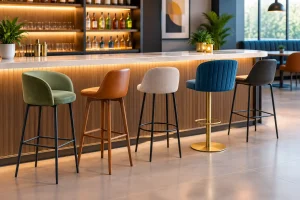
A residential chair may look perfect in a showroom, yet feel very different after six months of lunch service, repeated cleaning, shifting tables, and hundreds of guests. The question, can restaurants use residential furniture, is less about whether a piece looks suitable and more about whether it has been engineered for the operating conditions of a commercial dining space.
For restaurant operators, architects, and designers, the right answer is rarely a simple yes or no. Residential furniture can have a place in carefully controlled areas, but relying on it throughout a busy venue can create avoidable replacement costs, safety concerns, and an inconsistent guest experience. A commercial specification should protect the design concept while accounting for traffic, maintenance, comfort, and the realities of daily service.
Can Restaurants Use Residential Furniture in Commercial Spaces?
Restaurants can use residential furniture, but they should do so selectively and with a clear understanding of the risks. There is no universal rule that prohibits a restaurant from placing a residential-style sofa in a lounge or using a domestic side table in a low-traffic corner. However, a product designed for a private home is not automatically suitable for commercial use.
The distinction is in the expected duty cycle. A dining chair in a home may be used a few times a day by the same household. In a restaurant, that same chair may be pulled, moved, leaned back on, cleaned, and occupied by many different guests across multiple shifts. Materials, joints, upholstery, finishes, and floor protection all experience more frequent stress.
Commercial furniture is specified with this pattern of use in mind. It is built to support repeat use, faster cleaning routines, layout changes, and higher exposure to spills and impact. For a hospitality project, that performance matters as much as silhouette, color, and price.
The Real Difference Between Residential and Contract Furniture
Residential furniture is generally designed around domestic comfort, occasional use, and a specific visual setting. It may use lighter frames, delicate veneers, soft fabrics, or construction details that are perfectly appropriate in a living room. Those choices can become weak points in a restaurant.
Contract furniture is designed for shared spaces with more variables. It needs stable construction, serviceable surfaces, dependable upholstery, and dimensions that work for a broad range of guests. It also needs to maintain its appearance after repeated cleaning and use. A chair that loosens at the joints or a table edge that chips quickly does more than reduce visual quality – it interrupts operations and affects the perception of the venue.
This does not mean commercial furniture must look heavy or institutional. Contemporary hospitality collections can deliver refined forms, upholstered comfort, metal detailing, natural-looking finishes, and a residential feel while still using construction methods suited to restaurants, cafés, hotels, and lounges.
Traffic Changes the Specification
A 30-seat wine bar with table service places different demands on furniture than a 250-seat fast-casual restaurant. Even within one project, furniture has different workloads. Bar stools, entrance seating, banquet areas, terrace chairs, and private dining rooms should not necessarily be specified the same way.
High-traffic pieces need reinforced frames, reliable joinery, wear-resistant finishes, and upholstery selected for frequent contact. Chairs should also be easy for staff to move without damaging floors or creating excessive noise. In an outdoor setting, resistance to moisture, sunlight, and temperature change becomes part of the specification.
Cleaning Is a Design Requirement
Hospitality furniture must live with cleaning chemicals, food spills, grease, and fast turnover. A light-colored residential textile may support a beautiful concept board, but it can be impractical if stains cannot be treated quickly or if its texture holds crumbs and debris.
Specify upholstery with the cleaning method in mind. Consider stain resistance, abrasion performance, color stability, and the ability to replace or reupholster components when needed. For wood, metal, and table surfaces, ask how the finish responds to moisture, heat, disinfectants, and routine wiping. The best material is not simply the most durable one. It is the one that remains attractive under the cleaning process the operator can realistically maintain.
Where Residential Pieces Can Work
Residential furniture is most appropriate when it is treated as an accent rather than the backbone of the restaurant. A carefully selected lounge chair in a quiet waiting area, a decorative occasional table in a private dining room, or a soft sofa in a hotel-inspired corner can add warmth and personality.
These applications work best when guest volume is lower, staff can monitor the piece, and replacement or maintenance is manageable. They are also better suited to spaces where guests sit for longer periods without constant chair movement, such as a reservation lounge or a secluded cocktail area.
Even then, operators should review practical details. Is the fabric cleanable? Is the frame stable? Can the item be moved safely during cleaning? Are replacement parts or matching pieces available if the project expands? A one-off residential purchase may create problems when a damaged item needs to be replaced and the model has been discontinued.
Where Residential Furniture Usually Fails
Dining rooms, bar areas, outdoor terraces, and high-volume waiting zones are generally poor places for standard residential furniture. These are the areas where furniture is handled most aggressively and where failure is most visible to guests.
Dining chairs are especially critical. A restaurant chair must tolerate constant pulling, side loads, shifting over flooring, and contact with tables and other chairs. Weak connections can loosen over time, while poor ergonomics can shorten guest dwell time or make a meal feel less comfortable than it should.
Tables also require commercial thinking. Residential tables may not have the correct base stability, edge durability, or size options for efficient restaurant layouts. In hospitality settings, table bases need to accommodate uneven floors, repeated repositioning, and the practical clearance required for service. A beautiful top is only useful if the complete table remains stable through busy service.
How to Specify Furniture That Feels Residential but Performs Commercially
The strongest approach is not to choose between residential appearance and commercial performance. It is to specify hospitality furniture that delivers both. Start with the operational brief: number of seats, expected turns, service style, indoor or outdoor use, cleaning routine, and the intended lifespan of the project.
Then review the furniture at component level. The frame material, weld quality, timber construction, foam density, upholstery, glides, finish, and hardware all influence long-term performance. Request samples where color, texture, or finish is central to the concept. A sample helps the design team assess visual quality, but it also gives the operator a chance to test cleaning and handling before committing to production.
Custom manufacturing is particularly useful when an off-the-shelf residential look inspires the project but cannot meet commercial requirements as supplied. A manufacturer can adapt dimensions, seat height, upholstery, wood stain, metal color, and detailing while using a construction approach suitable for hospitality use. This gives architects and operators more control over the final result without compromising the broader interior concept.
Do Not Overlook Codes and Local Requirements
Furniture requirements can vary by location, building type, occupancy, and local authority. Upholstery, fire performance, accessibility, and safety requirements may apply differently across jurisdictions. Restaurant owners and project teams should confirm the applicable requirements with their local code professionals and authorities before finalizing a specification.
This is another reason to involve the furniture supplier early. Early coordination can identify issues before production, rather than after goods have been delivered to the site. For export projects, clear documentation, packing requirements, lead times, and communication between supplier, designer, and logistics partners are equally important.
A Better Purchasing Decision for Restaurant Projects
The lowest initial price is not always the lower project cost. If residential furniture must be replaced early, requires frequent repair, or creates guest complaints, its apparent savings disappear quickly. Commercial furniture should be evaluated over its useful life, including maintenance, repairability, consistency of supply, and the effect it has on the restaurant’s daily operation.
For multi-site groups, distributors, and hospitality operators, consistency is especially valuable. A dependable manufacturer can reproduce approved finishes and dimensions, support future orders, and adapt a collection for different site conditions. That continuity protects the brand experience from one location to the next.
At Rezze Design, the practical goal is to help projects achieve a refined, contemporary atmosphere with furniture made for commercial realities. Factory-led production and tailored specifications allow a dining chair, armchair, bar stool, sofa, or table to be considered as part of one coordinated hospitality environment, not as an isolated purchase.
A restaurant can borrow the warmth of a home, but its furniture must work much harder. Specify for the way guests sit, staff clean, and service moves, then let the design create the comfort guests remember.