A Bohem chair has to do more than complete a floor plan. In a café, restaurant, hotel lobby, or lounge, it becomes part of the guest experience from the first sit-down to the final service of the day. Its silhouette sets a visual tone, while its construction, upholstery, and finish determine whether that impression holds up under commercial use.
For architects, operators, and purchasing teams, the right chair is not selected only from a catalog image. It is evaluated against traffic levels, table heights, cleaning routines, layout density, brand concept, lead time, and the practical demands of installation. A well-specified Bohem chair can support a warm, contemporary hospitality setting while providing the consistency required for multi-unit projects and export orders.
What Defines a Bohem Chair in Commercial Interiors
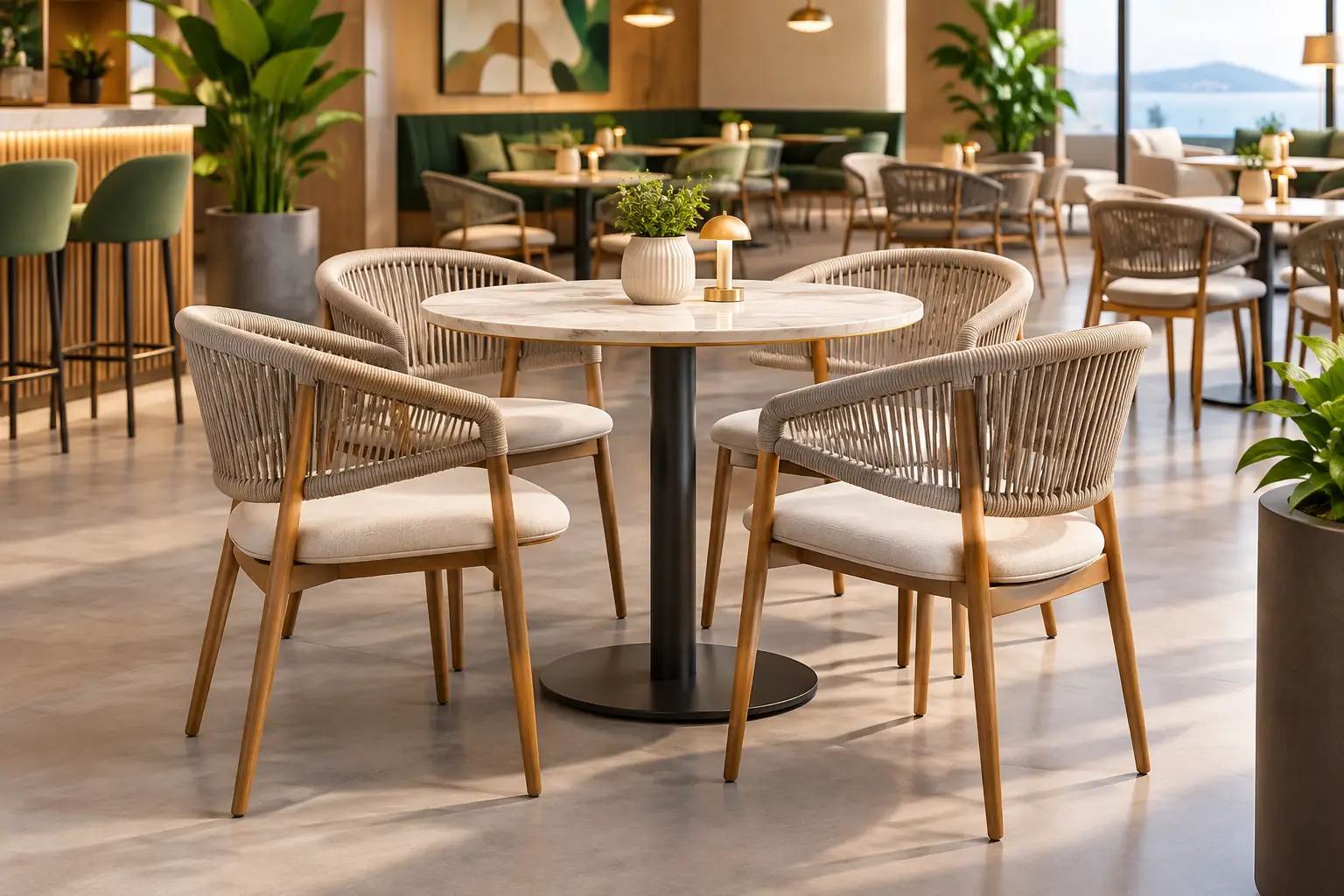
The Bohem chair is often chosen for spaces that need character without unnecessary visual weight. Depending on the configuration, it can bring together a sculpted seat, soft upholstery, timber details, or a metal frame with a clean architectural profile. This balance makes it appropriate for hospitality interiors that want a relaxed yet considered atmosphere.
Its value is especially clear in projects where generic contract seating would make the space feel interchangeable. A distinctive chair gives designers an opportunity to introduce texture, color, and proportion at table level, where guests spend most of their time. For operators, it provides a visible design detail that helps reinforce the identity of the venue.
However, a residential-looking design is not automatically suitable for a restaurant. The commercial version must be assessed for frame strength, joint quality, surface resistance, and ease of maintenance. Visual softness should never come at the cost of operational performance.
Start With the Guest Experience
Chair selection should begin with how guests will use the space. A quick-service coffee bar, an all-day restaurant, and a hotel dining room may all use the same general design language, but they demand different sitting experiences.
For a café where customers work on laptops or meet for extended conversations, a supportive backrest and a comfortable seat profile can encourage longer stays. In a busy restaurant, the priority may be a chair that remains comfortable through a full meal while allowing efficient movement between tables. Hotel breakfast areas often require a solution that is welcoming, easy to reset, and resilient enough for continuous turnover.
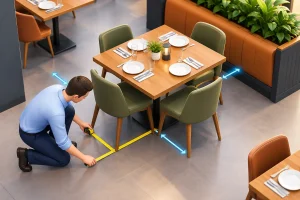
Seat height and overall footprint matter as much as comfort. A chair that looks compact in a product image may create a crowded circulation path when placed around real tables. Before confirming quantities, project teams should review the chair alongside tabletop dimensions, aisle clearances, service routes, and any fixed banquette seating.
The right comfort level depends on dwell time
More cushioning is not always the better commercial choice. Deeply upholstered seating can suit lounges, premium dining rooms, and longer-stay concepts, but it may be less practical in high-turnover environments. A firmer upholstered seat or a shaped wood and metal construction can provide the right balance for casual dining and cafés.
The key is alignment. The chair should support the intended pace, price point, and service model of the business rather than simply follow a visual trend.
Specify Materials for Real Hospitality Use
Material selection determines how a chair will age. In commercial environments, a good finish must handle repeated contact, bag impacts, frequent cleaning, sunlight exposure near windows, and the occasional spill. This is why project specifications should go beyond color selection.
Metal frames offer a strong foundation for many hospitality concepts. They can be finished in a range of powder-coated colors and can create a refined contrast with upholstered seats, wood elements, or stone tables. The quality of welding, surface preparation, and coating application directly affects long-term appearance, particularly in high-contact areas.
Wood adds warmth and can make a Bohem chair feel more residential in the best sense: inviting, tactile, and memorable. Yet wood finishes need to be selected with the operating environment in mind. A dining space with heavy use requires a finish that can be maintained consistently and that fits the project’s cleaning protocol.
For upholstered versions, specify fabric or leatherette based on performance rather than appearance alone. Consider abrasion resistance, stain behavior, cleanability, color stability, and whether replacement upholstery may be needed over the life of the project. A light fabric can look exceptional in a boutique setting, but it may not be the practical choice for a high-volume restaurant with open kitchen traffic.
Customization Creates a More Cohesive Project
Hospitality projects rarely rely on one furniture item alone. Chairs need to work with tables, bar stools, lounge seating, lighting, wall finishes, flooring, and tableware. Custom production makes it possible to adapt a chair to the larger interior scheme instead of forcing the scheme to adapt to a standard item.
A frame color can be adjusted to connect with metalwork elsewhere in the venue. Upholstery can support the brand palette or create a controlled contrast against banquettes. Seat materials can be selected to match the level of formality in different zones, such as casual breakfast seating, formal dining, and private rooms.
Customization should still be managed with discipline. Too many finishes can complicate purchasing, installation, and future replenishment. For larger projects, it is often more effective to build a focused finish schedule: one primary chair configuration, one complementary variation for feature areas, and clearly documented materials for future orders.
This is where factory-direct collaboration is valuable. Manufacturers with in-house production can review the brief, develop samples, confirm technical details, and maintain better control over consistency from the first unit to the final packed shipment. Rezze Design supports this project-led approach by combining commercial furniture production with tailored finishes and coordinated sourcing needs.
Plan for Durability, Maintenance, and Replacement
A chair should be selected for its full operating life, not only for opening day. Hospitality teams should ask how the product will perform after thousands of uses and how easily it can be maintained by staff. This includes practical details such as leg protection, floor compatibility, cleanable surfaces, and the ability to replace parts or re-order matching pieces.
Floor glides deserve particular attention. The wrong glide can scratch a delicate floor, create excessive noise, or wear down quickly. The appropriate option depends on whether the chair will be used on tile, timber, carpet, polished concrete, or another surface. This small specification can reduce maintenance issues across an entire venue.
Replacement planning is also commercially sensible. Restaurants expand, refresh sections, and occasionally need to replace damaged units. A supplier that can document finishes and retain project specifications makes later orders easier to manage. For distributors and purchasing groups, this continuity can be as important as the initial unit price.
Sample Approval Protects the Final Result
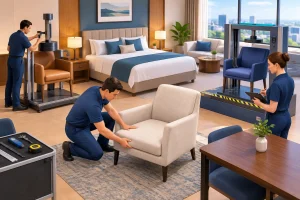
Digital renderings and material swatches are useful, but they cannot fully show how a chair will feel, reflect light, or sit within the room. A physical sample gives the project team a chance to test comfort, inspect finishing quality, verify color, and review scale against the table selection.
Sample approval is particularly important when a project involves custom upholstery, special metal colors, or a new market requirement. It creates a shared reference point between the buyer, designer, manufacturer, and installer before full production begins. Any necessary adjustments can be made early, when they are more manageable and less costly.
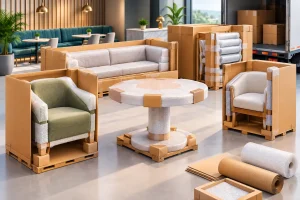
For export projects, approvals should also cover packing expectations and delivery requirements. Proper protection, carton planning, labeling, and loading coordination help furniture arrive ready for installation rather than creating avoidable delays at the final stage.
A Strong Chair Choice Supports the Whole Business
The Bohem chair should be treated as a working design asset. It has to look convincing from the entrance, feel right at the table, support staff movement, and retain its quality through daily commercial use. When those requirements are addressed together, the result is not simply better seating. It is a more coherent guest environment and a more dependable investment for the operator.
The most productive next step is to review the chair within the actual project context: the layout, the service model, the finish palette, and the expected volume of use. That conversation turns a promising furniture selection into a specification built to perform.